Art is changing. Where do I start?
Working hard and moving forward are not always the same thing. Separate three questions: what you are making, how you present it and who you are trying to reach. This plan does not promise sales. It gives you a small, coherent body of work and concrete feedback.
Week 1: explore one question
Choose a question you can investigate in three pieces. Decide what stays constant and what changes. Set a realistic time limit. When the pieces are finished, photograph them together and write down what you intended, what emerged and what you would try next.
Week 2: document accurately
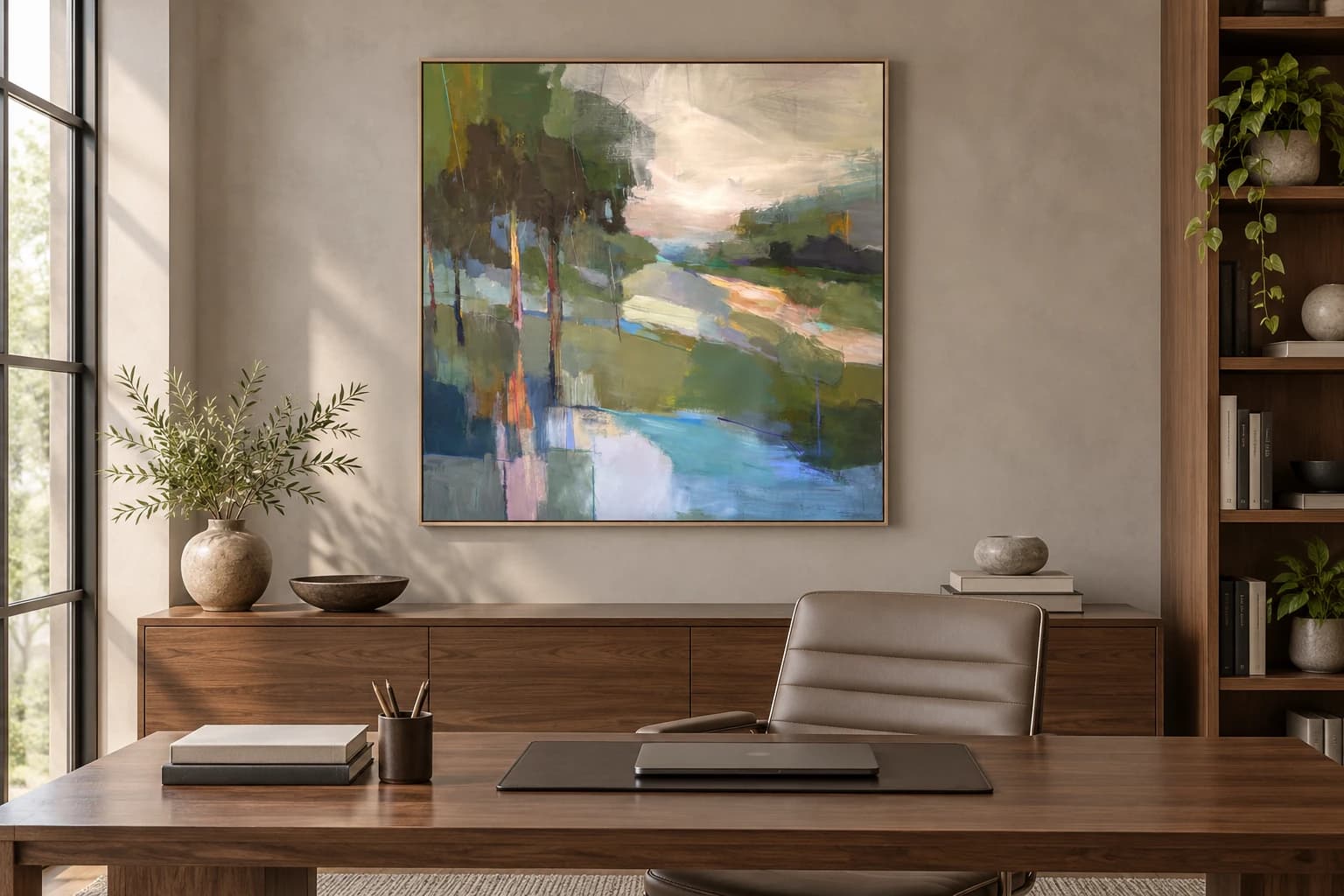
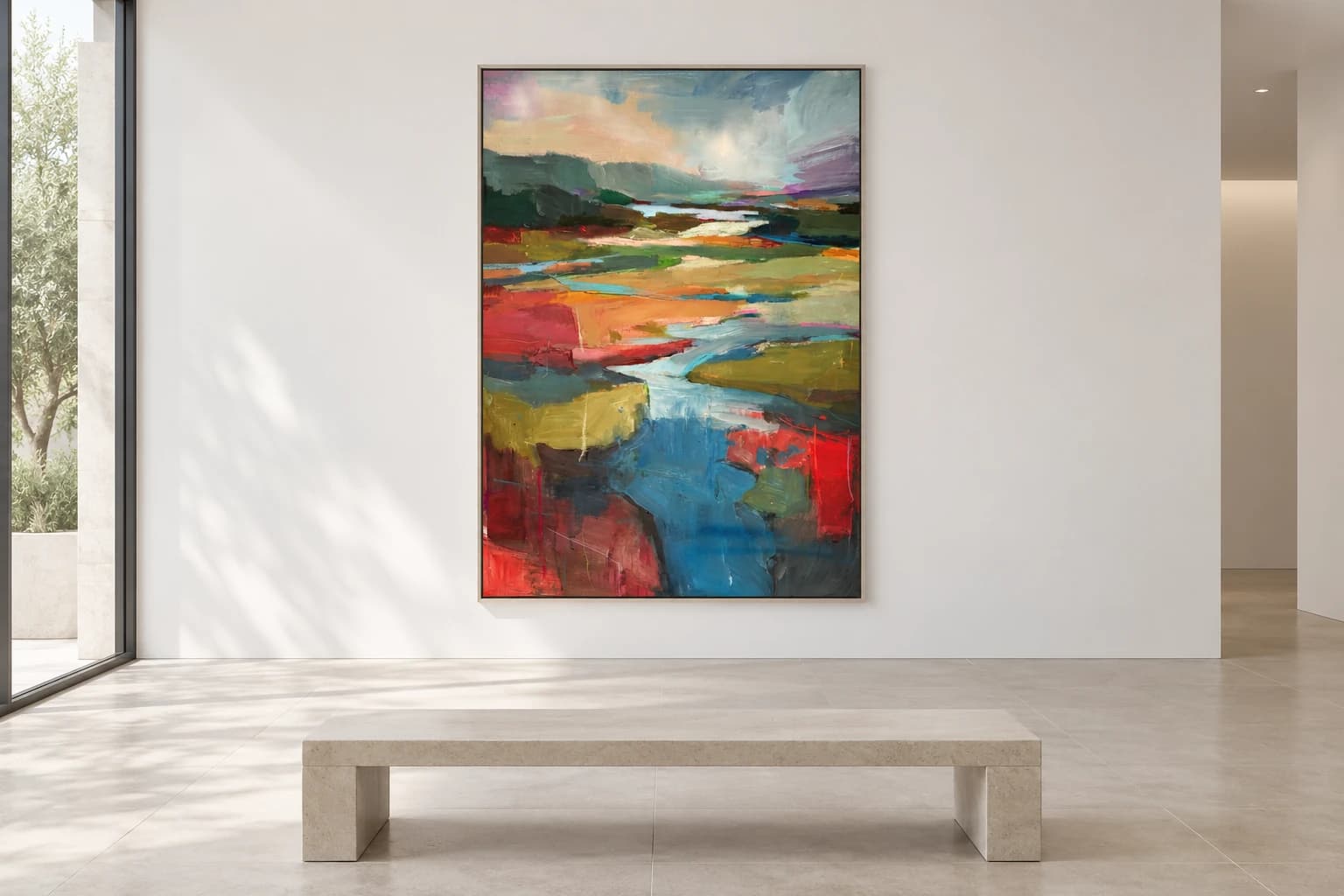
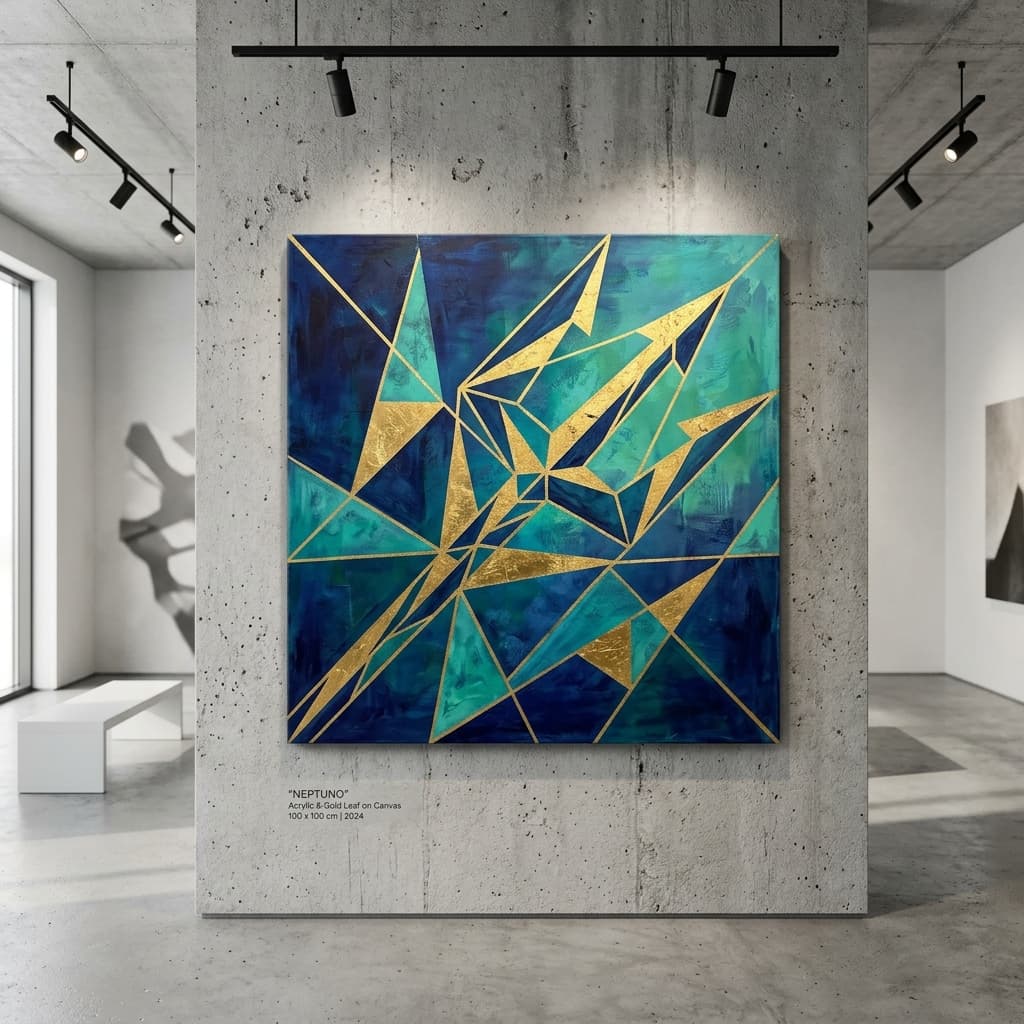
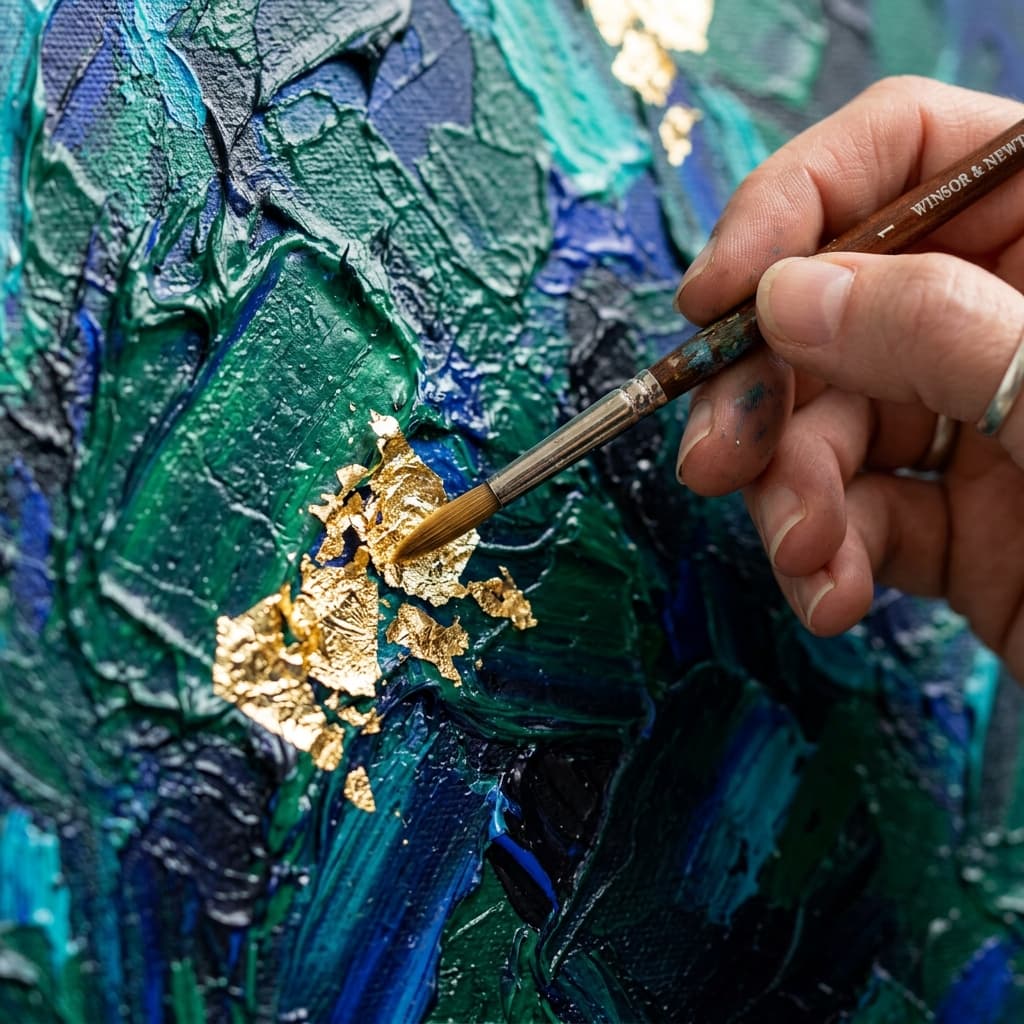
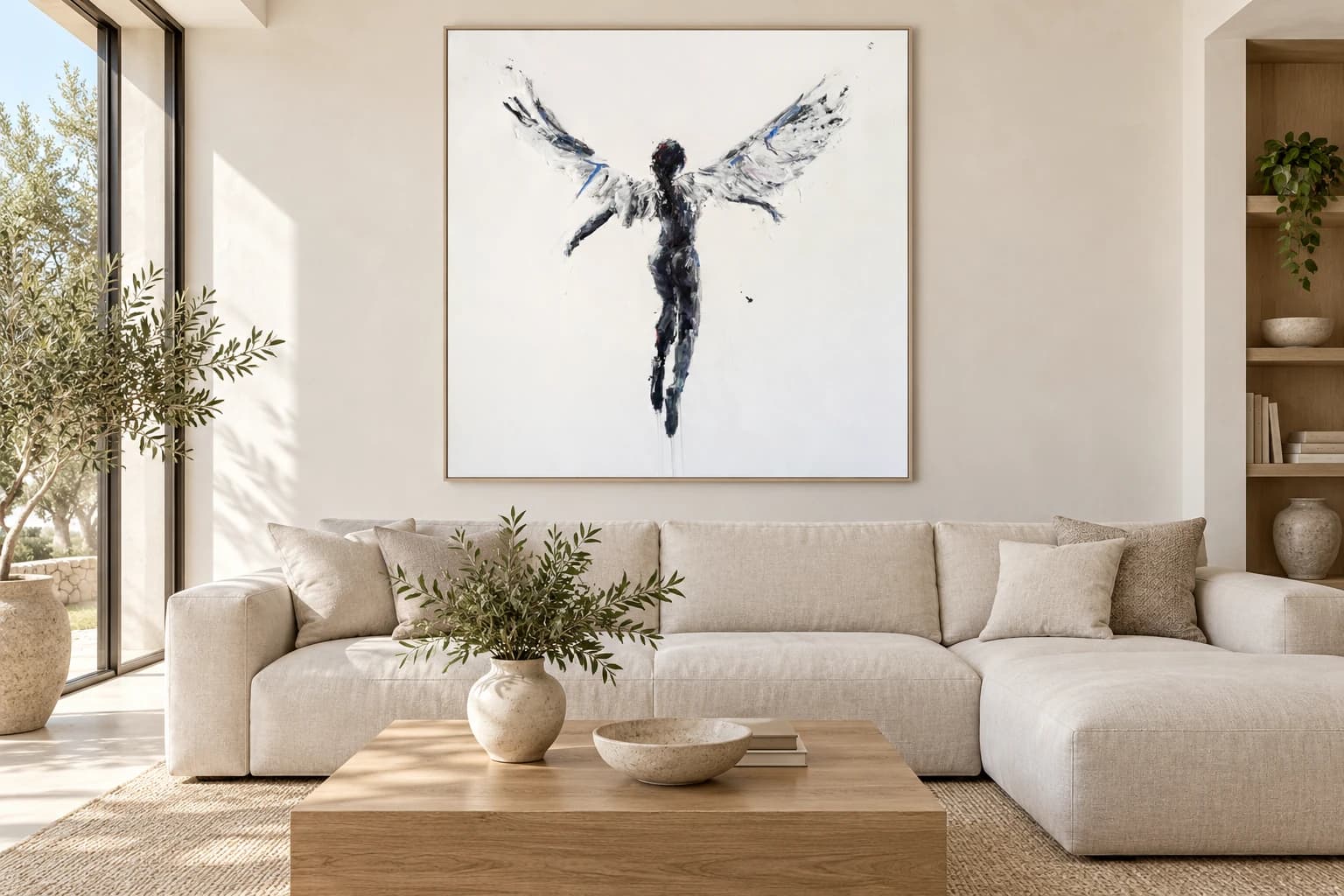
Prepare a frontal photograph, a detail and an image that explains scale. Include title, medium, support, dimensions, year and availability. A room simulation can help, but label it and retain an accurate photograph of the work. Explain one specific artistic decision instead of using a description that could fit any artist.
Week 3: choose one outlet
Try one relevant open call, local venue or presentation page. Study the recipient’s programme. Introduce yourself, describe the project, explain why it fits and provide one link. Follow submission instructions and avoid sending a large, unedited collection of attachments.
Week 4: learn from responses
Distinguish views, questions and sales. Ask someone to look at the presentation without an explanation: what do they understand, remember and still need to know? Change one element and test again. Silence alone is not proof that the work lacks value.
Use tools deliberately
Digital tools can help with planning and presentation. Decide which choices remain yours, check image accuracy and explain their use when it matters to understanding the work. Protect time for making without publishing. Your next step is simple: select three works, collect their details and write the question you want to explore next.
Mhatiz Gallery
Grego & Raúl Rodríguez